 rightback.ai

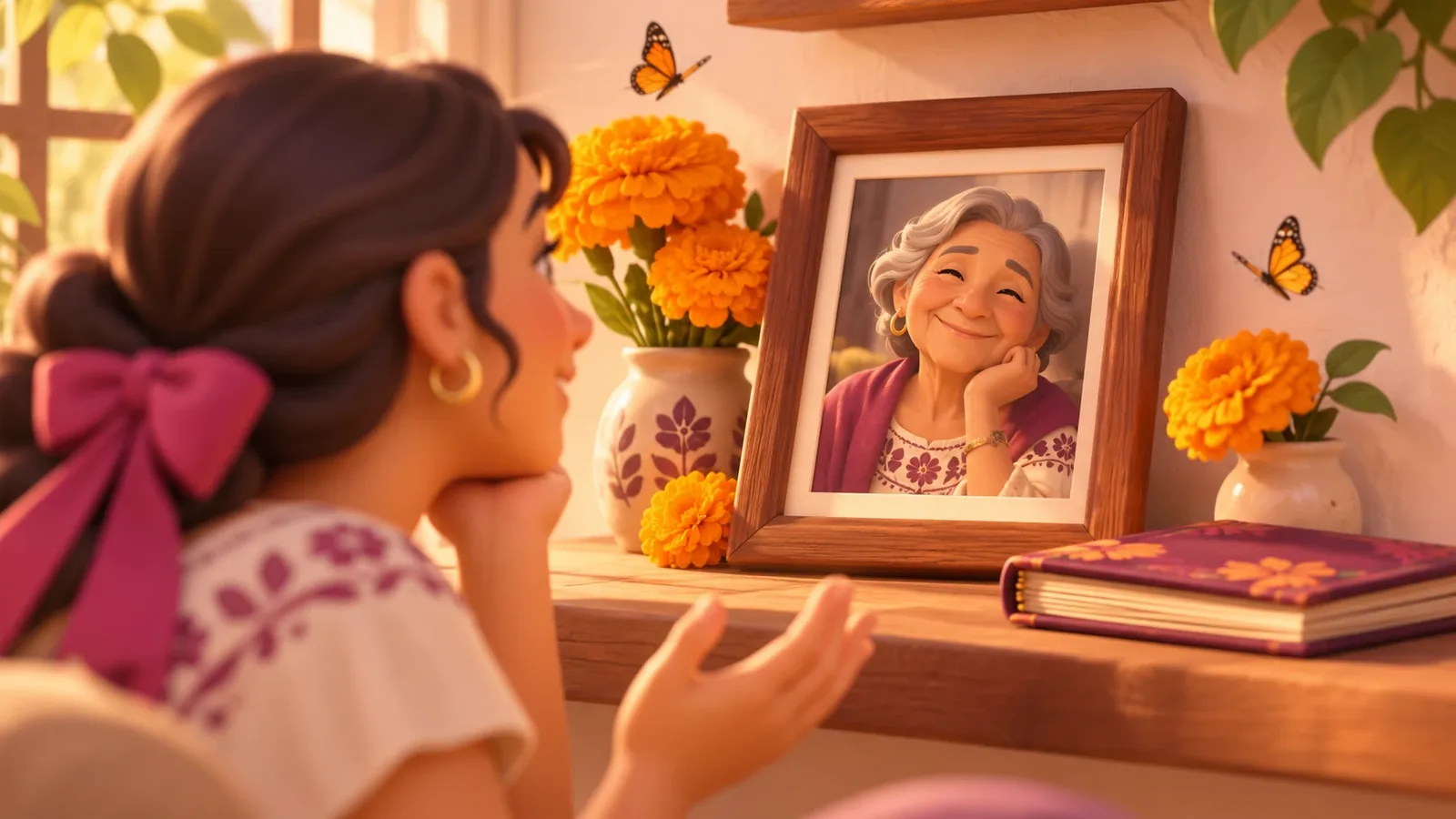
Many people feel uneasy about, or simply distrust, "AI of the dead" services, and find it misleading to talk about "bringing someone back". That's an understandable reaction. Here is our honest answer.
We completely understand that for many people the first reaction is rejection, fear or distrust. This is a very new technology and it raises real ethical dilemmas; it would be dishonest to say otherwise.
Every new way of remembering went through this
Every new way of remembering the dead went through something similar.
When photography arrived, people in many places said the camera stole your soul. Some refused to have their picture taken, convinced that part of them would be trapped on paper.
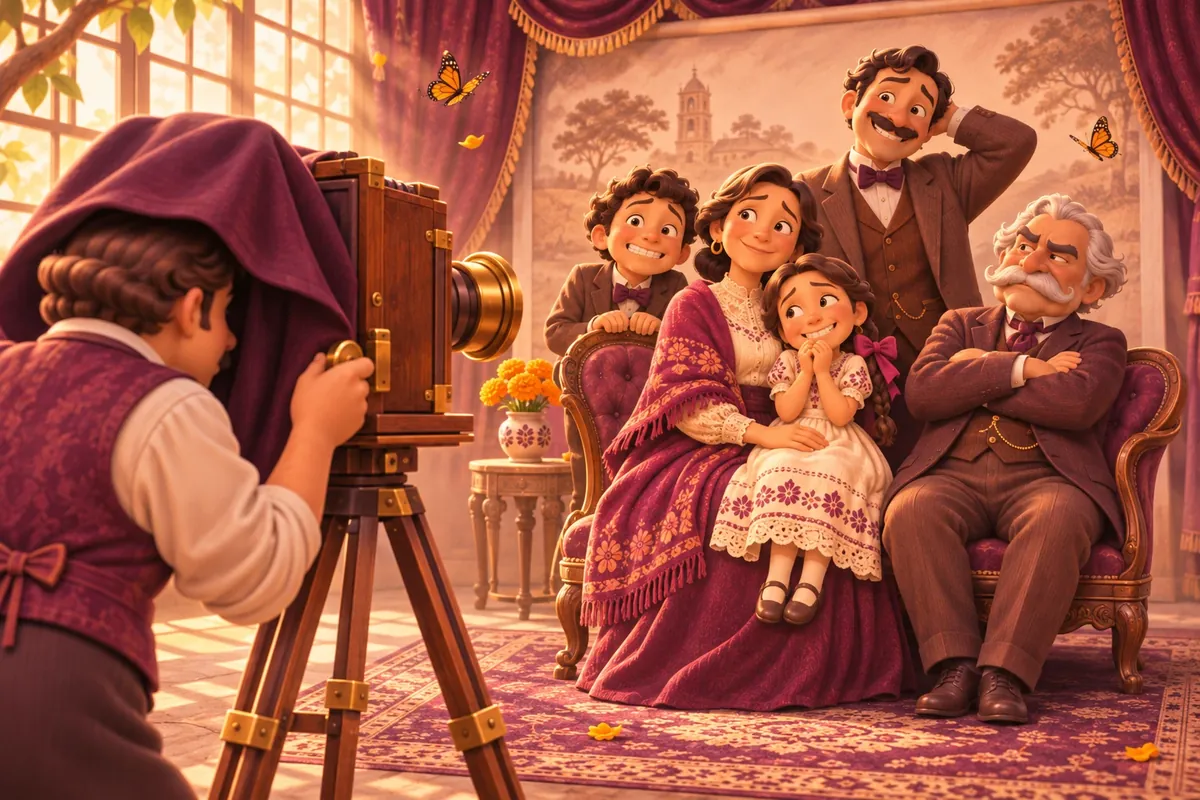
Today hardly anyone finds it strange to talk to a loved one's portrait on the family altar, to tell them how our day went or to ask for their forgiveness.
Talking to someone who's gone isn't something we invented; what's new is the medium.
People have always found ways to keep talking to those we've lost: at a grave, in front of a photo, rereading their letters, playing again and again a voice message we kept on our phone.
That's why we're very clear: we're not bringing anyone back
Rightback creates a recreation of their voice and face from what that person left behind, like their voice notes and a photo, and from what their family shares about them.
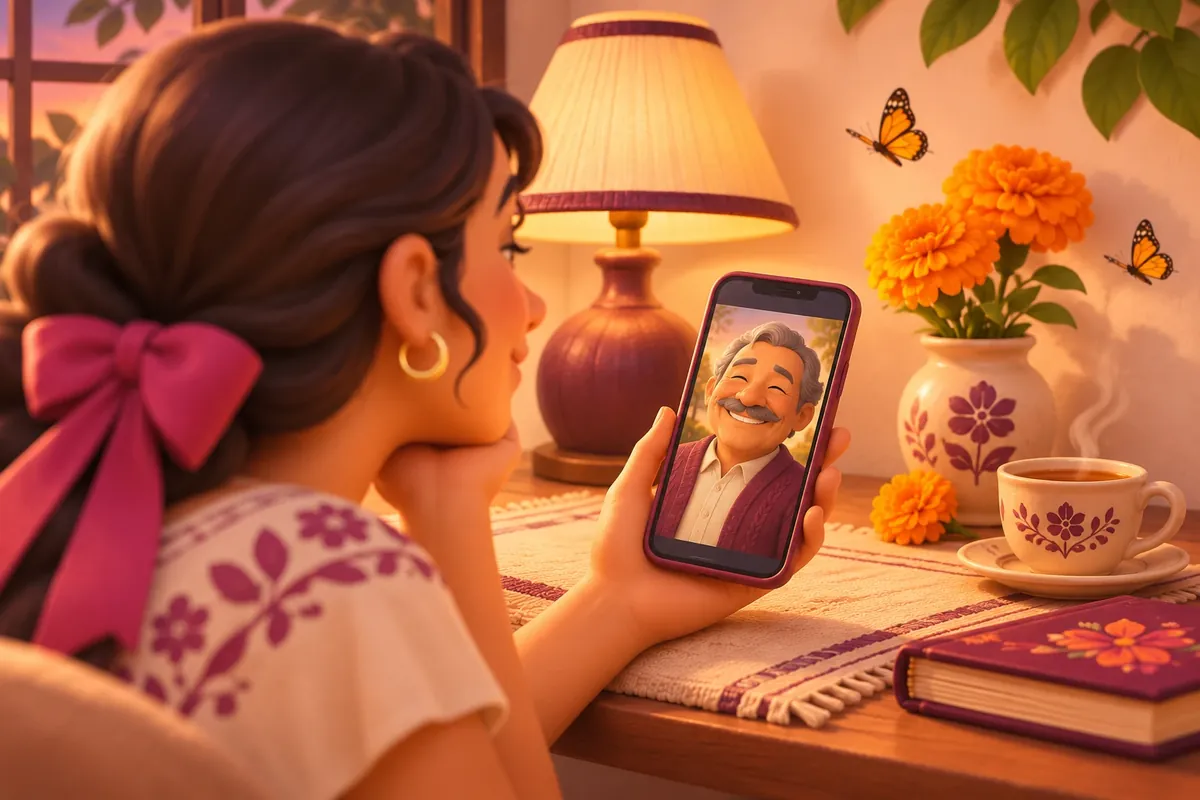
It isn't that person, and it never pretends to be.
- If you ask whether it's real, it honestly answers that it's a recreation.
- It's not allowed to say it speaks from the afterlife.
- It doesn't make up memories nobody told it: if you mention something it doesn't know, it asks you to tell it.
We don't want to give it a life of its own either
The recreation has no autonomy. It has no presence on the internet, it doesn't open social media accounts and it doesn't talk to anyone else.
It exists only for a private conversation between the person who created it and that memory.
Also:
- The person who creates it must confirm they have the right to use that voice.
- If a voice isn't used for 30 days, it's deleted from our servers.
What we're after is something deeply human
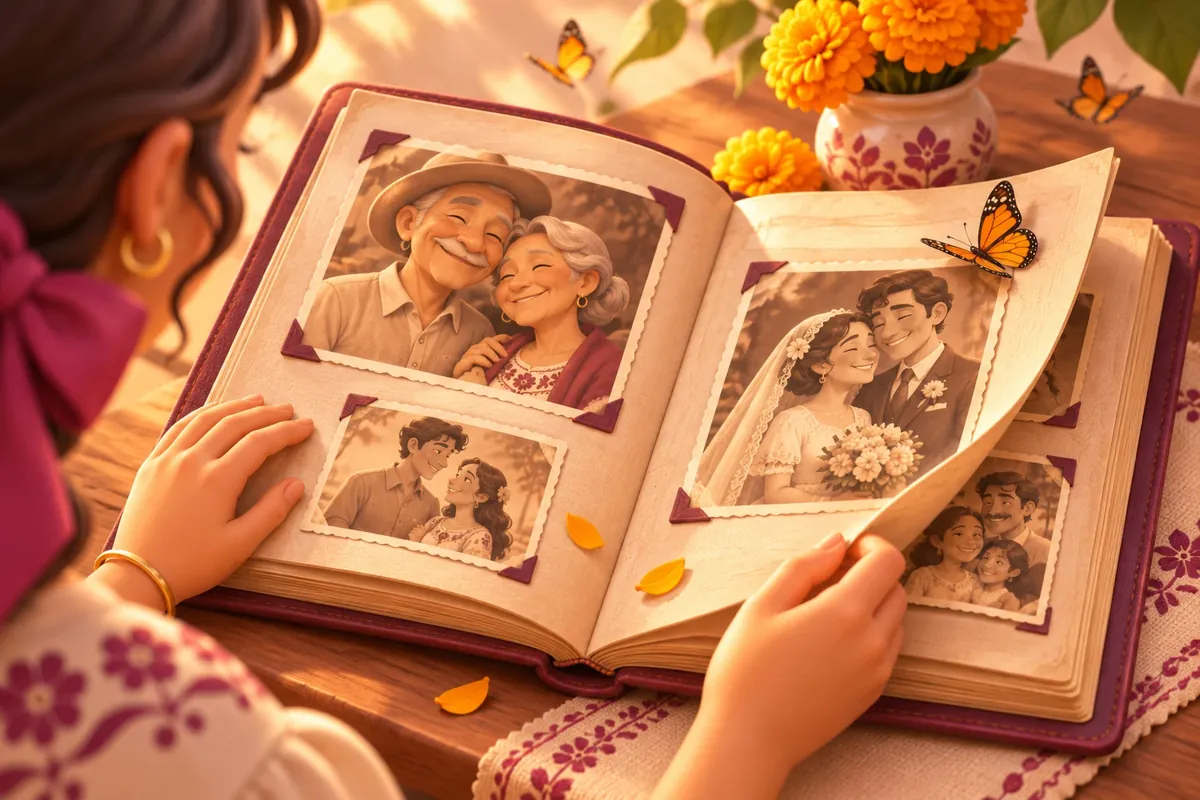
To tell them what was never said. To say goodbye if there was no chance to. Or simply to ease, for a few minutes, the pain of missing someone by hearing their voice.
It's the same thing we do when we look through a photo album and talk to them as if they were here.
Clear, visible rules
We believe these services need clear, visible rules that anyone can know before deciding whether to use them. That's why we share ours openly:
| What Rightback does | What it never does |
|---|---|
| Recreates their voice and face from what they left behind | Pretend to be the real person |
| Talks with you in private | Have its own presence online or talk to others |
| Uses what you told it about that person | Make up memories or speak for the afterlife |
| Answers honestly if you ask what it is | Use a voice without you confirming you have the right to |
| Deletes voices that go unused for 30 days | Keep what you no longer use forever |
If you're curious, you can recreate a loved one's voice and see how it feels. There's no right pace and no obligation to continue.
If you're struggling
If grief becomes unbearable, please talk to a doctor, therapist or grief counselor. Tools can comfort, but human support heals. You don't have to carry this alone.

